Uganda Traditional Cultural
Heritage Digital Archive
Preserving and celebrating the rich traditions of storytelling, music, dance, drama, and oral history across Uganda's diverse cultural landscape.
Browse by Region
Explore cultural heritage across Uganda's five major regions.
Browse by Performance Type
Discover cultural performances categorised by tradition.
Featured Records
Recently archived cultural performances.
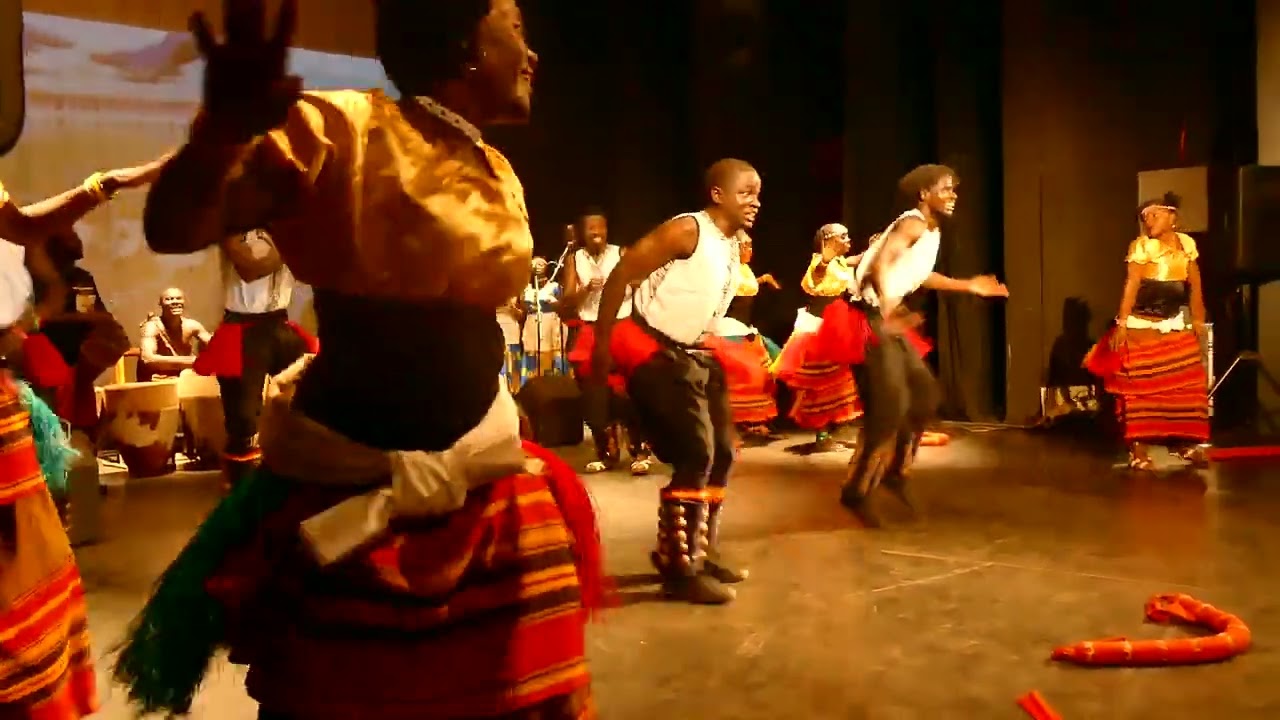
Ekitaguriro kya Runyege - The Courtship Dance of the Banyoro
Runyege is a vibrant courtship dance of the Banyoro people of Western Uganda. Performed during celebrations and marriage negotiations, the dance features dynamic hip movements, intricate footwork, and the distinctive sounds of ebinyege (ankle rattles made from dried cocoons) that give the dance its name.

Akogo - The Thumb Piano Traditions of the Iteso
The akogo (thumb piano or mbira) is a central instrument in Iteso musical tradition. This recording features master akogo player Emolot Charles performing traditional Iteso compositions that accompany storytelling sessions, work activities, and social gatherings in Teso sub-region.
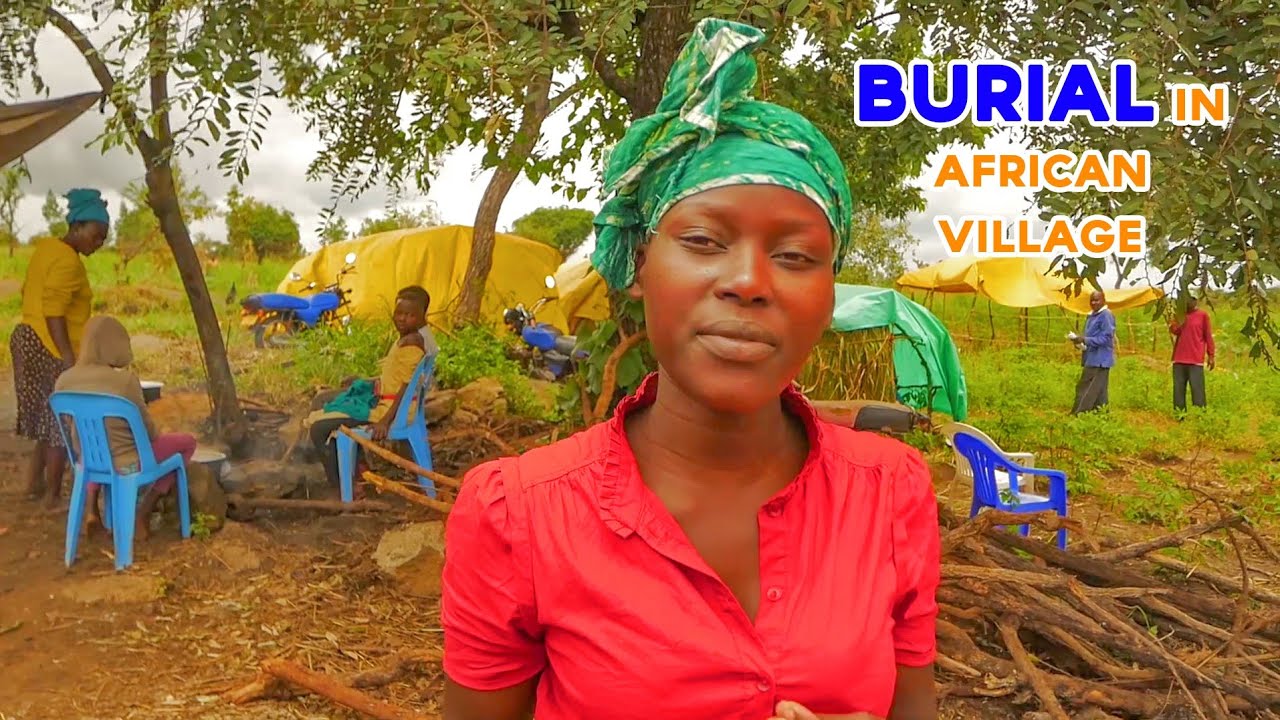
Okwabya Olumbe - Funeral Rites and Lamentations of the Baganda
Okwabya Olumbe documents the elaborate funeral rites and mourning traditions of the Baganda people. This oral history recording captures the traditional lamentations, burial procedures, and succession rituals that have governed how the Baganda community processes death and grief for generations.
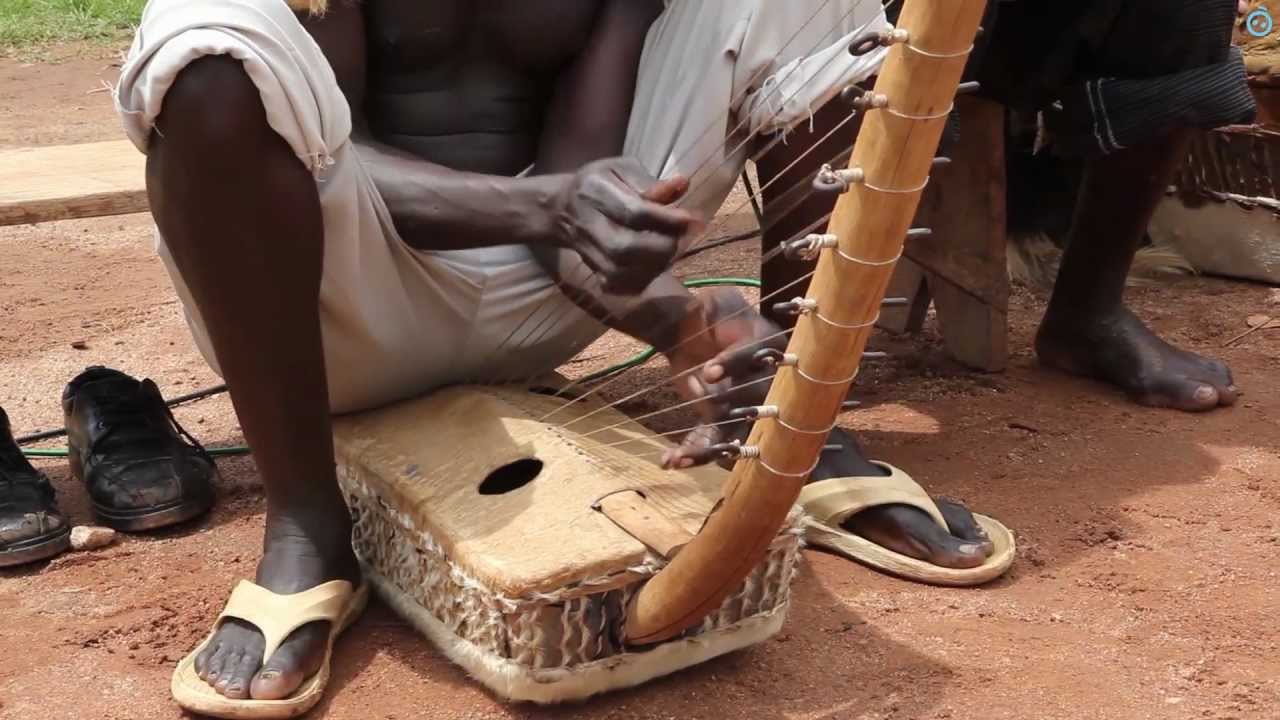
Adungu Ensemble - Traditional Harp Music of the Alur
The adungu is an arched bow harp traditionally played by the Alur people of the West Nile region of Northern Uganda. This recording features an ensemble of five adungu players performing traditional compositions that have been part of Alur cultural life for centuries. The adungu produces a warm, resonant tone and is one of the most recognizable traditional instruments of Uganda.
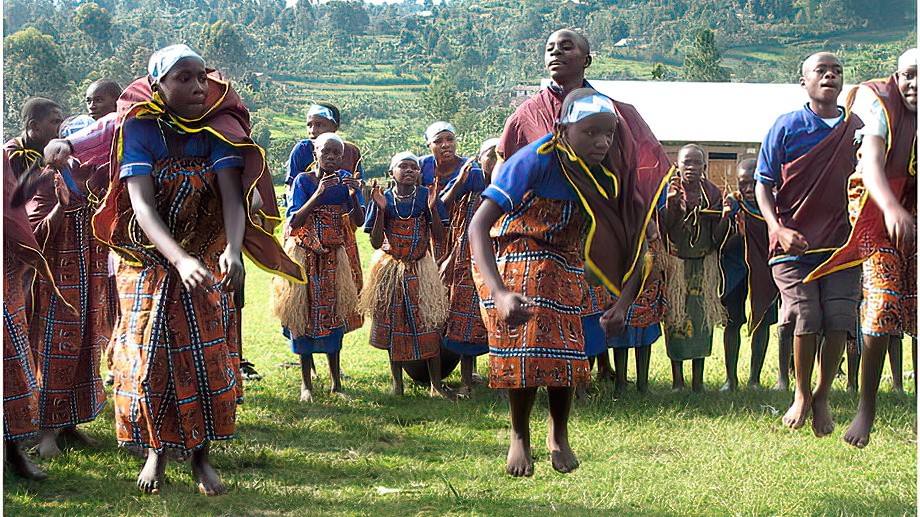
Ekyobuhangwa - Creation Myths of the Bakiga
Ekyobuhangwa encompasses the creation narratives and origin stories of the Bakiga people of South-Western Uganda. These oral traditions explain the origins of the Bakiga, their relationship with the mountainous terrain of Kigezi, and the legends of their ancestor Kakiga who is said to have been the first person to settle in the highland region.
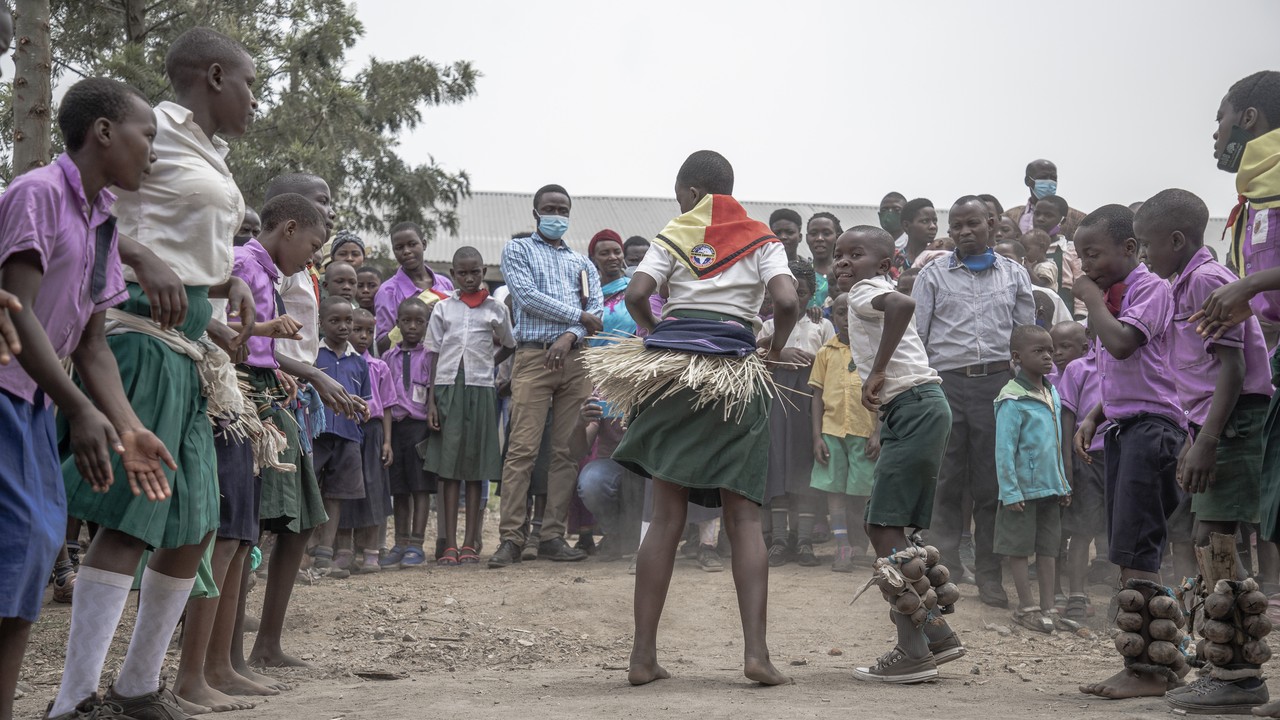
Entogoro - The Ankle Bell Dance of the Basoga
Entogoro is a dynamic traditional dance of the Basoga people of Eastern Uganda, characterized by the rhythmic jingling of ankle bells (ebinyege) worn by the dancers. The dance is performed at celebrations, weddings, and cultural festivals, and is known for its energetic footwork and the distinctive sound of hundreds of small bells creating complex rhythmic patterns.